
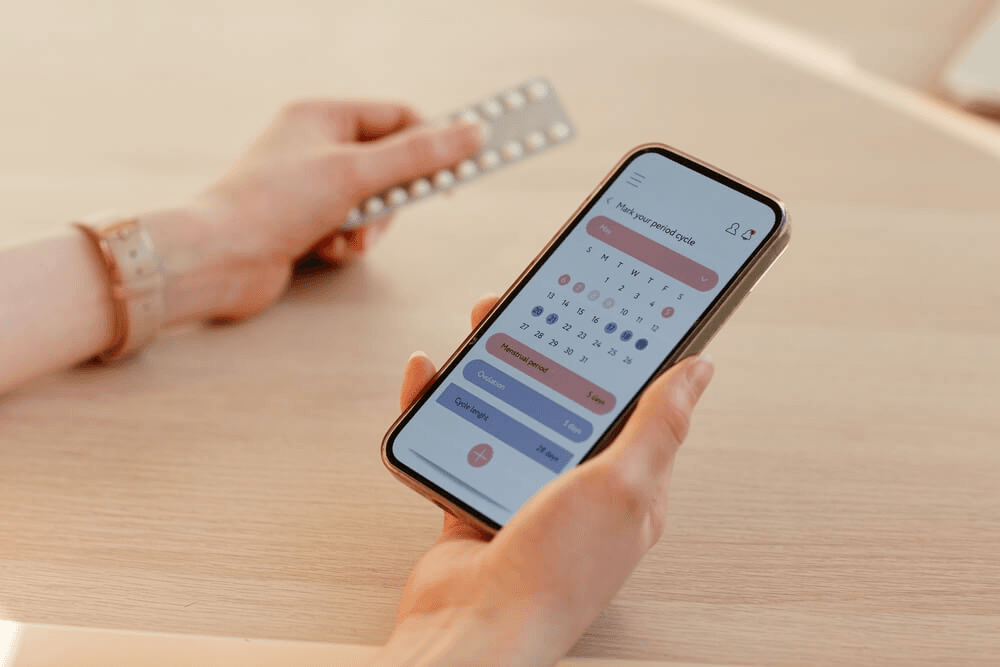
If you’ve been carefully tracking your cycle and feel like something’s a little “off” — maybe you’re ovulating later than usual, or your period is arriving later than expected — you’re not alone. While occasional shifts are common, consistent delay in ovulation or an irregular cycle can point to underlying factors worth noticing and, possibly, addressing. In fact, fertility clinics like Womb IVF & Fertility Centre highlight the importance of understanding your cycle as part of natural fertility support.
Before diving into the signs, a quick reminder: If late ovulation becomes a regular pattern (for example, ovulation happening after day 21 of your cycle) it may affect the timing of your fertile window, and therefore your chances of conceiving when you’re trying.
With awareness, you can spot subtle cues and take steps early.
What is Late or Irregular Ovulation?
Ovulation normally happens roughly midway through your cycle — around day 14 in a textbook 28-day cycle. But in reality, many women experience variation in the “follicular phase” (the first half of the cycle) which causes ovulation to shift. When ovulation happens after day 21 (or significantly later than your usual pattern), it is considered “late”.
Late ovulation can stem from many factors such as high stress, thyroid imbalance, hormonal conditions like Polycystic Ovary Syndrome (PCOS), weight changes, or recent major lifestyle changes. The result? Your cycle’s timing gets pushed back, which means your fertile window shifts and your period may come later than usual.
10 Subtle Signs Your Ovulation Might Be Off Track
Here are ten signs to watch out for — some subtle — that may indicate your cycle (and ovulation) isn’t quite following your usual rhythm.
- Cervical mucus stays thin or unchanged
Normally just before ovulation, your cervical mucus becomes clear, stretchy and “egg-white” in texture (a sign that you’re in your fertile window). If you don’t notice this change, or notice it much later than usual, your ovulation might be delayed. - Basal body temperature (BBT) rise happens late
If you’ve been charting your basal body temperature (your resting morning temperature) and you see the expected post-ovulation rise (usually around 0.3-0.6 °C) but it occurs later than your usual mid-cycle, that’s a signal of late ovulation. - Period arrives later than usual
Since the luteal phase (the second half of the cycle after ovulation) tends to remain around 14 days, a late ovulation pushes your period back. So if you consistently see late periods, ovulation timing may be shifting. - Mild ovulation discomfort shifts or is absent
Some women feel a slight lower-abdominal twinge or “ovulation pain” (known as mittelschmerz) when the egg releases. If that sensation is later than usual, or missing altogether, your ovulation timing might be off. - Libido or energy peak happens later
Many women naturally feel more energetic, confident or even more sexually driven around ovulation (thanks to estrogen & other hormonal surges). If that “boost” comes later than you’re used to, your cycle may be delayed. - Mood changes or PMS-like symptoms linger
High estrogen and subsequent progesterone shifts happen around ovulation and lead into the pre-menstrual phase. If you find your mood swings, irritability or breast tenderness coming later than usual (or lingering longer), it could reflect delayed ovulation. - Cycle length extends significantly
If your cycle goes from being reliably 28-30 days to 35 + days (or just consistently longer than your baseline), that could mean the first half of the cycle (follicular phase) is being extended — i.e., ovulation is later. - Irregular or inconsistent ovulation test results
If you use ovulation predictor kits (OPKs) that detect the LH surge, and you either don’t get a positive result or get it much later than you expect, that may signal delayed ovulation or even a cycle without ovulation. - Physical signs of hormonal imbalance
Weight fluctuations (both gain and loss), thyroid issues, high levels of stress, or underlying conditions like PCOS can interfere with the hormonal cascade that triggers ovulation — making your cycle less predictable. - You’re trying to conceive but fertile window seems to “miss you”
If you feel like your usual fertile days (when you feel most fertile or timed intercourse is planned) keep shifting later, it may be because ovulation is happening later. One study showed that while late ovulation doesn’t necessarily reduce the chance of conception per cycle, it makes predicting the window trickier.
What To Do If You Suspect Late Ovulation
Recognising the signs is the first step; here are some actionable steps you can take:
- Track your cycle more closely: Use apps, temperature charts, OPKs and cervical mucus observations to establish your personal pattern.
- Check lifestyle factors: Are you under more stress than usual? Has your weight changed significantly? Are you exercising intensely, or recovering from illness? These can all delay ovulation.
- Get your hormones evaluated: Thyroid function, prolactin, and ovarian-related hormones (FSH, LH) can sometimes give key insights.
- Consider natural fertility support: Many fertility clinics (like Womb IVF’s natural fertility treatment program) emphasise that optimising your cycle rhythm matters when you’re trying to conceive.
- Consult a specialist: If your cycles keep being late, ovulation seems absent, or you’re struggling to conceive, it’s sensible to see a fertility or gynaecology specialist.
Final Thoughts
Everyone’s menstruation and ovulation pattern is unique — there’s no “perfect 28-day cycle” that applies to all. Occasional variation is normal. However, if you start to notice consistent changes like late ovulation, shifting fertile windows, or a lengthening cycle, it’s worth paying closer attention.
By tuning into the subtle signs — cervical mucus changes, temperature shifts, mood patterns, cycle length — you empower yourself with better knowledge of your reproductive rhythm. Combine that with good lifestyle habits and, if needed, professional advice and you’ll be in a better position to support your fertility goals with confidence.