
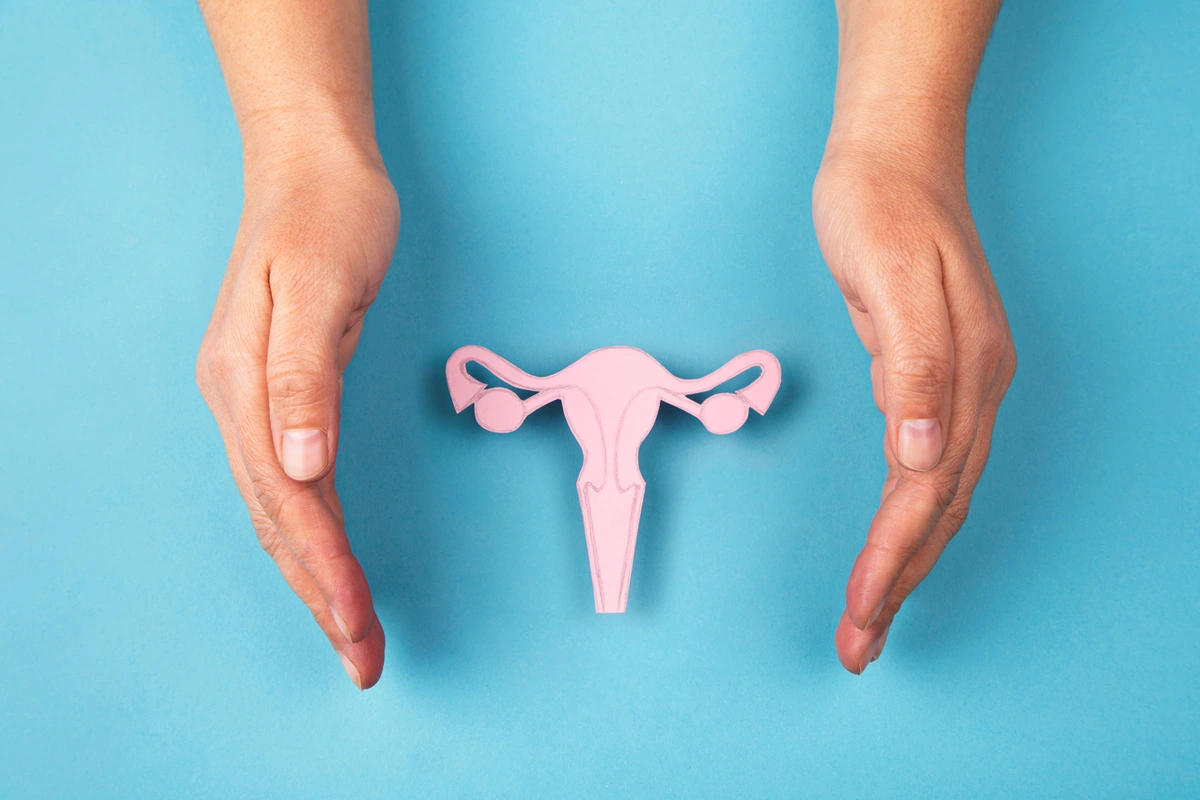
Female fertility relies on a proper balance of hormones. These hormones behave like chemical messengers to control the cycle of menstruation, ovulation, implantation of the embryo, and maintaining pregnancy. A minor imbalance in these can lead to adverse effects on a woman’s conception capability naturally. Knowing how hormones affect fertility allows women to identify early problems and seek timely treatment at a reliable fertility clinic in Mumbai.
Womb IVF & Fertility Centre offers doctors who specialize in diagnosing and treating fertility issues related to the hormones, by applying personalized and scientifically proven treatments.
Hormones and Female Fertility Made Easy
Hormones are special chemicals made by glands like the hypothalamus, pituitary, ovaries, and thyroid. They work together each month to get the body ready for pregnancy.
The main hormones involved are:
- Estrogen and Progesterone – prepare the uterus for pregnancy
- FSH (Follicle-Stimulating Hormone) – helps eggs grow
- LH (Luteinizing Hormone) – triggers ovulation
- Prolactin – supports milk production and affects fertility
- Thyroid hormones – help keep the body’s systems balanced
- AMH (Anti-Müllerian Hormone) – shows how many eggs are left
When these hormones are in balance, ovulation happens regularly, the uterus is ready, and pregnancy can occur. If they are out of balance, fertility may be reduced.
Estrogen: The Hormone of Growth and Ovulation
Estrogen is one of the most important hormones in female reproduction. It is primarily produced by the ovaries and plays a central role in:
- Developing and maturing ovarian follicles
- Thickening the uterine lining (endometrium)
- Regulating the menstrual cycle
- Supporting egg quality
How Estrogen Affects Fertility
Healthy estrogen levels are essential for ovulation. Low estrogen may result in irregular periods, thin uterine lining, or poor egg development, making conception difficult. On the other hand, excessively high estrogen levels can suppress ovulation and may be associated with conditions like polycystic ovary syndrome (PCOS).
Balanced estrogen levels support regular cycles and create an optimal environment for embryo implantation.
Progesterone: Preparing the Womb for Pregnancy
Progesterone is often referred to as the pregnancy hormone. It is released after ovulation by the corpus luteum and prepares the uterus to receive and support a fertilized egg.
Key Functions of Progesterone
- Stabilizes and thickens the uterine lining
- Prevents early uterine contractions
- Supports early pregnancy until the placenta develops
Progesterone Imbalance and Fertility
Low progesterone levels can sometimes lead to luteal defects, implantation failures, or miscarriages. There are a number of symptoms that a female with low progesterone levels will exhibit, such as spotting during menstrual cycles, as well as difficulty conceiving.
Follicle-Stimulating Hormone (FSH): Egg Development Hormone
FSH is produced by the pituitary gland and stimulates the ovaries to develop follicles, each containing an egg.
Why FSH Matters
- Encourages follicle growth
- Plays a role in determining ovarian reserve
- Helps predict response to fertility treatments
High FSH levels may indicate reduced ovarian reserve, while very low levels can interfere with egg development. Many women seeking care at the best IVF center in Mumbai undergo FSH testing as part of their fertility evaluation.
Luteinizing Hormone (LH): Triggering Ovulation
LH acts in close coordination with FSH. Increased levels of LH cause the release of a mature egg from the ovaries, a phenomenon called ovulation.
LH Imbalance and Fertility
These irregular levels of LH can cause a lack of ovulation, which is referred to as anovulation. For example, the high levels of LH in cases of PCOS can affect the pattern of ovulation, making it hard to conceive without intervention.
Anti-Müllerian Hormone (AMH): Indicator of Ovarian Reserve
AMH shows the number of eggs left in the ovaries. Unlike all other hormones, AMH levels are constant during the menstrual cycle.
Role of AMH in Fertility Planning
- Helps estimate ovarian reserve
- Assists in choosing appropriate fertility treatment
- Predicts response to IVF stimulation
While low levels of AMH do not mean pregnancy is not possible, they might suggest that fertility intervention is required.
Thyroid Hormones: Silent Influencers of Fertility
Thyroid hormones regulate metabolism but also have a significant impact on reproductive health.
Effects of Thyroid Imbalance
- Irregular periods
- Ovulation disorders
- Increased miscarriage risk
Both hypothyroidism and hyperthyroidism can interfere with fertility. Correcting thyroid levels is often one of the first steps taken at a fertility clinic in Mumbai when evaluating infertility.
Prolactin: When Too Much Becomes a Problem
Prolactin is responsible for the production of milk after childbirth. On the other hand, in a nonpregnant woman, high levels of prolactin suppress ovulation.
Signs of High Prolactin
- Missed or irregular periods
- Unexplained infertility
- Breast discharge
Treatment of high levels of prolactin is capable of inducing ovulation for natural conception.
How Hormonal Imbalance Is Diagnosed and Treated
Hormonal fertility issues are diagnosed through blood tests, ultrasound scans, and clinical evaluation. Treatment depends on the underlying cause and may include:
- Lifestyle and dietary changes
- Medications to regulate ovulation
- Hormonal therapy
- Assisted reproductive techniques like IVF
At womb ivf & fertility center, fertility care is tailored to each woman’s hormonal profile, ensuring the best possible outcomes.
When to Seek Fertility Help
You should consider consulting a fertility specialist if you experience:
- Irregular or absent periods
- Difficulty conceiving for over 12 months (or 6 months if over 35)
- Recurrent miscarriages
- Diagnosed hormonal disorders
Early evaluation at the best IVF center in Mumbai can significantly improve your chances of conception.
Conclusion
Female hormones play a vital role in fertility, influencing every stage from egg development to pregnancy maintenance. Estrogen and progesterone are key players, but hormones like FSH, LH, AMH, thyroid hormones, and prolactin are equally important. Understanding these hormones helps women make informed decisions and seek timely fertility care.
With expert diagnosis, compassionate guidance, and advanced treatment options, womb ivf & fertility center supports couples at every step of their parenthood journey.
Frequently Asked Questions (FAQs)
1. Can hormonal imbalance cause infertility?
Yes, hormonal imbalances can disrupt ovulation, implantation, or pregnancy maintenance, making conception difficult. Proper diagnosis and treatment can often restore fertility.
2. Will IVF work if hormone levels are abnormal?
Absolutely, because IVF methods are tailored according to hormonal levels, and many women have conceived with IVF at a fertility clinic in Mumbai after overcoming their hormonal problems.
3. How can I balance my hormones naturally for fertility?
Help maintain a healthy weight, manage stress, consume a healthy and balanced diet, and consult medical practitioners. Despite this, sometimes medical treatment will be needed.