
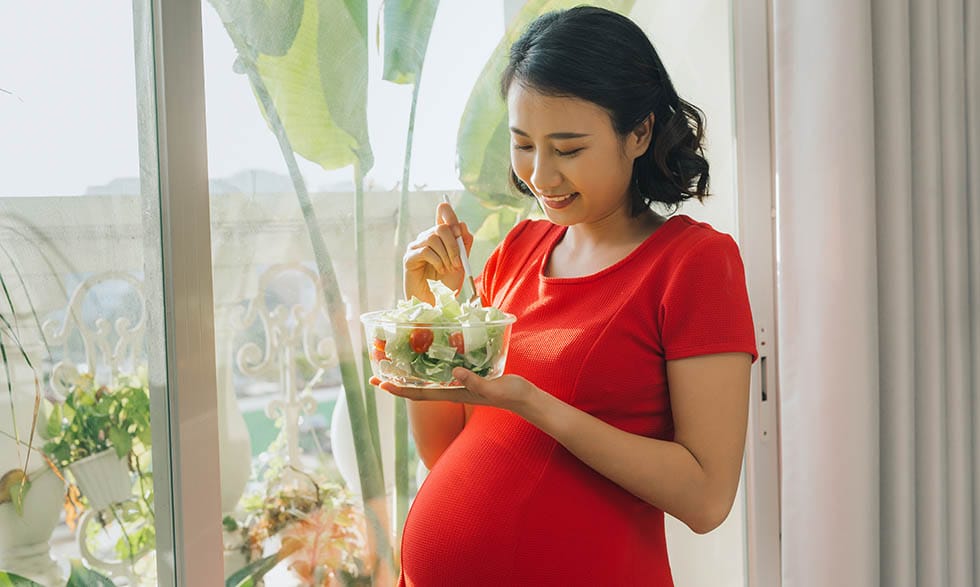
In the journey toward parenthood, preparing your body and mind optimally before fertility treatment can enhance your chances of success and help you endure the process with greater resilience. At Womb IVF, we emphasize a holistic approach—balancing diet, lifestyle, and emotional wellness—to complement medical interventions. Below is a comprehensive guide on emerging best practices and trends to help you prepare smartly for fertility treatment.
1. Why pre-treatment preparation matters
Medical research increasingly shows that factors like body weight, metabolic health, stress, sleep, and nutrition influence reproductive outcomes.1 Lifestyle changes before initiating in vitro fertilization (or other assisted reproductive techniques) may improve ovarian response, egg quality, hormonal balance, and endometrial receptivity.2 In fact, a recent Oxford-led review found that women with obesity who participated in structured weight loss programs before IVF were 47 % more likely to conceive naturally, and saw a 21 % increase in odds of any pregnancy (natural or IVF) compared to those without weight loss support.3
However, it’s worth noting that meta-analyses are cautious: while weight loss before IVF can reduce risk and improve metabolic health, increases in live birth rates specifically remain inconsistently supported.4 That makes it essential that preparation be personalized, moderate, and sustainable.
2. Diet: Building a Fertility-Friendly Nutrition Plan
The “pro-fertility” and Mediterranean pattern
Nutrition studies suggest that following a “pro-fertility” diet—characterized by higher intakes of low-pesticide fruits and vegetables, whole grains, lean dairy, soy, supplemental vitamin B12 and D, and seafood—is linked to higher chances of live birth following assisted reproduction.5 Similarly, adherence to Mediterranean diet patterns (rich in olive oil, fish, legumes, unprocessed foods) is associated with improved fertility outcomes.5,6
Key nutrients to emphasize
- Folate / folic acid / B vitamins: Critical for neural tube development in early pregnancy; supplementation is standard.
- Omega-3 fatty acids (DHA / EPA): Anti-inflammatory fats that support healthy egg and sperm quality.
- Antioxidants & phytonutrients: From colorful fruits and vegetables to neutralize oxidative stress in the reproductive environment.
- Low-glycemic whole grains, legumes, fiber: To support insulin balance, especially in women with PCOS or metabolic risk.
- Avoid processed foods, trans fats, excessive sugar: Diets high in ultra-processed foods have been linked to poorer sperm parameters and hormonal imbalances.7
Practical meal strategies
- Emphasize whole food meals: lean protein + whole grains + vegetables + healthy fats.
- Use “fertility plate” approach: half the plate vegetables, one quarter protein, one quarter whole grains.
- Schedule regular meal times to maintain stable blood sugar.
- Hydrate well (at least 2–3 L water depending on body size).
- Work with a fertility dietitian to tailor a plan around your metabolic profile.
At Womb IVF, our weight management and fertility team offers customized plans that balance energy intake, macro-nutrients, and meal patterns for fertility support. You can find more details in our weight loss for fertility program here. (interlink)
3. Weight, Body Composition & Fertility
Why weight matters
Excess adiposity can disrupt hormonal balance, impair ovulation, increase insulin resistance, and reduce endometrial receptivity. For men, higher body fat is associated with lower sperm count, motility, and increased oxidative damage.8 Conversely, being underweight or having very low body fat can impair menstrual regularity and hormone production.9
Even modest weight reductions—around 5–10 % of body weight—often restore more regular ovulation in overweight women and improve fertility markers.10
Recent trials show that women who engage in weight-loss efforts before IVF have higher overall pregnancy rates, particularly via natural conception, though gains in live birth remain less certain.11 Given evolving evidence, our approach at Womb IVF is to help patients achieve healthy weight through balanced, sustainable strategies—not crash diets. You can explore our weight management and fertility diet plan page for more guidance. (interlink)
How we approach weight optimization
- Individualized assessment: body composition, metabolic markers, insulin sensitivity.
- Gradual, sustainable changes: avoid aggressive calorie restriction.
- Inclusion of exercise & strength training: to preserve lean mass and boost metabolic rate.
- Behavioral support: tracking, motivation, accountability.
4. Physical Activity & Movement
Exercise is a key pillar—beyond weight loss, it supports insulin sensitivity, circulation, stress relief, and hormonal balance.12 Some guidelines recommend moderate aerobic activity (e.g. brisk walking, cycling, swimming) plus strength training 2–3 times per week.
Important caveats:
- Avoid overtraining or high-intensity regimens that might suppress menstrual function.
- During ovarian stimulation, adjust intensity to avoid discomfort or risk (coordinated with your clinic).
- Incorporate mind-body movement (yoga, Pilates) to aid flexibility, core strength, and stress control.
5. Sleep, Stress & Emotional Health
Why emotional health matters
Infertility and fertility treatment journeys are emotionally taxing. Chronic stress, anxiety, and depression can alter the hypothalamic-pituitary-gonadal axis, affecting hormones like cortisol and GnRH, and potentially impairing ovulation or sperm function.13
Coping well before and during treatment helps with:
- Decision-making and adherence
- Maintaining hormonal balance
- Improving sleep quality (which itself supports fertility)
- Reducing burnout and relationship strain
Strategies to support emotional wellness
- Mindfulness, meditation, breathing practices
- Therapy / counseling / support groups specialized in fertility
- Acupuncture / relaxation therapies / massage as adjunctive tools
- Journaling, creative outlets, social support
- Sleep hygiene: aim for 7–9 hours nightly, consistent schedule, reduce screens before bed
Integrating emotional care into your preparation can make your fertility journey more sustainable and less overwhelming.
6. Environmental & Emerging Considerations
Emerging research has detected microplastics in human follicular fluid, raising concerns about environmental toxin exposure’s influence on the reproductive microenvironment.14 Although the clinical impact is yet to be fully understood, minimizing plastic use in food storage, avoiding heating food in plastics, and choosing clean-label organic produce when possible are prudent precautionary steps.
Additionally, long-term exposure to endocrine disruptors (in plastics, pesticides, bisphenols) is under investigation for its potential role in declining male and female fertility globally.15
7. A Sample Pre-Treatment Timeline
| Phase | Focus | Duration | Key Tasks |
| Baseline & Screening | Medical evaluation, hormonal/metabolic labs, semen analysis | 1–2 weeks | Work with fertility team, baseline counseling |
| Nutrition & Weight Optimization | Implement fertility diet, modest weight goals | 8–12 weeks | Frequent check-ins, adjust plan |
| Lifestyle Stabilization | Exercise, sleep, stress routines | Concurrent | Build habits; monitor sleep/stress |
| Pre-stimulation Readiness | Finalization, supplements, mental prep | 2–4 weeks | Begin IVF suppression / stimulation when optimal |
This window may vary per patient; the goal is readiness—not delay when urgency is present.
8. Tailoring for Men & Partners
Fertility preparation is a couple’s journey. Men should adopt antioxidant-rich diets, maintain healthy body weight, avoid smoking, excessive heat (saunas, tight underwear), and reduce exposures to endocrine disruptors.16 Emotional support, shared wellness routines, and open communication strengthen resilience as a team.
Conclusion
Preparing for fertility treatment is not just about medical protocols—it’s about creating the best internal environment possible through mind, body, and lifestyle. At Womb IVF, our holistic programs integrate dietary planning, weight management, emotional coaching, and scientific fertility care. With strategic preparation, you set yourself up not just for treatment, but for a stronger, healthier start to conception.
FAQs: Preparing for Fertility Treatment
Q1: How long before fertility treatment should I start optimizing diet and lifestyle?
A: Ideally, begin at least 3 to 4 months before initiating ovarian stimulation or treatment. That window allows time for menstrual cycles to adjust, metabolic and hormonal improvements to manifest, and gradual, sustainable changes to take root.
Q2: Can losing weight really improve IVF success?
A: Weight loss in women with obesity has been associated with higher rates of natural conception and improved pregnancy odds overall—but improvements in live birth specifically remain less consistent across studies.3,4 However, optimizing weight helps reduce risks and enhance metabolic and hormonal balance, which supports safer and potentially more effective fertility treatment.
Q3: Are there “superfoods” or magic supplements for fertility?
A: No single superfood or supplement guarantees success. But certain nutrients—folate, omega-3s, antioxidants, B vitamins, vitamin D—are foundational. Use supplements under guidance, and focus first on whole-food nutrition. Avoid megadoses or unproven remedies.
Q4: How do I manage stress and emotional overwhelm during fertility prep?
A: Incorporate mind-body practices like meditation, breathing, counseling, support groups, yoga, journaling, or professional psychotherapy. Build a support network, maintain healthy sleep, and allow yourself small breaks. Emotional self-care is as important as physical preparation because stress, if unaddressed, can negatively influence hormonal balance.