
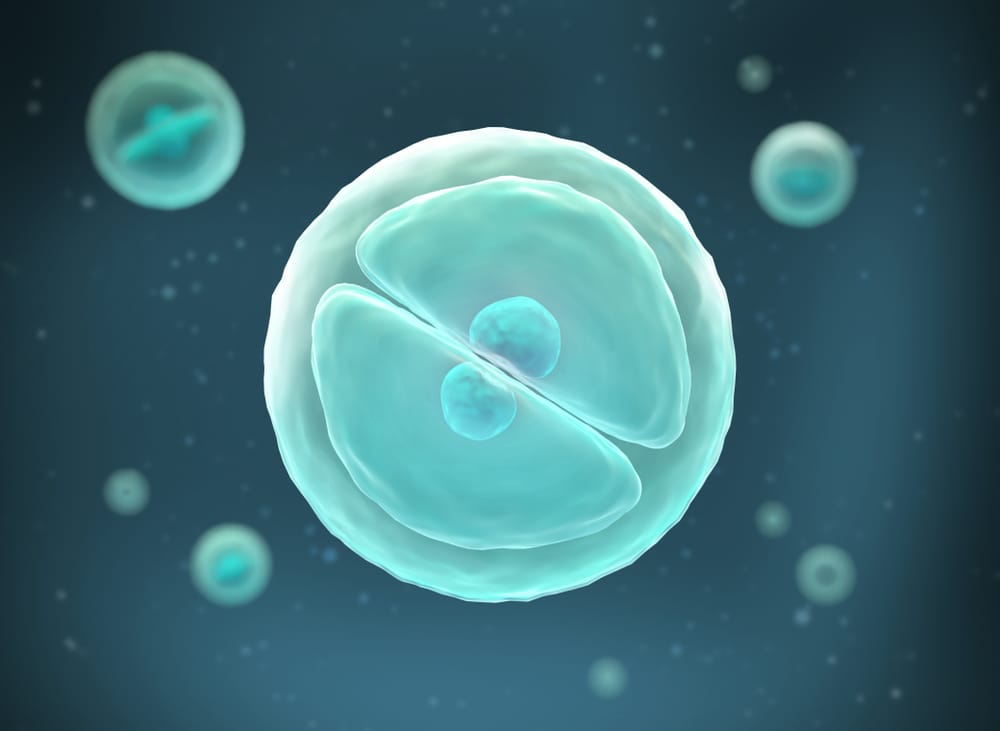
In the ever-evolving world of assisted reproductive technology, genetic testing during IVF has become a critical tool for couples seeking to maximize their chances of a healthy pregnancy. Preimplantation genetic testing (PGT) is an advanced procedure that helps identify genetic abnormalities in embryos before implantation. For those considering IVF treatment in Mumbai, understanding the nuances of PGT can make the journey smoother and more informed.
At Womb IVF & Fertility Centre, we emphasize personalized care, combining cutting-edge technology with compassionate support. Let’s explore the three primary types of PGT—PGT‑A, PGT‑M, and PGT‑S—and how they play a role in IVF.
What is Preimplantation Genetic Testing (PGT)?
Preimplantation genetic testing is a laboratory procedure conducted on embryos created through in vitro fertilization (IVF). Its main purpose is to screen for genetic abnormalities, ensuring that only healthy embryos are selected for transfer. By identifying potential issues early, PGT increases the likelihood of successful implantation, reduces miscarriage rates, and helps prevent the transmission of inherited genetic conditions.
There are three main types of PGT:
- PGT‑A (Preimplantation Genetic Testing for Aneuploidy)
- PGT‑M (Preimplantation Genetic Testing for Monogenic Disorders)
- PGT‑S (Preimplantation Genetic Testing for Structural Rearrangements)
PGT‑A: Screening for Chromosomal Abnormalities
PGT‑A is primarily used to detect aneuploidy—abnormal numbers of chromosomes in embryos. Normally, embryos should have 46 chromosomes, but sometimes errors during cell division can result in too few or too many chromosomes. Such abnormalities are a leading cause of failed IVF cycles and miscarriages.
Benefits of PGT‑A
- Increases the likelihood of implantation by selecting chromosomally normal embryos.
- Reduces the risk of miscarriage in women with recurrent pregnancy loss.
- Helps in deciding the number of embryos to transfer, reducing the risk of multiple pregnancies.
This test is particularly recommended for women over 35, those with recurrent IVF failures, or couples with a history of chromosomal abnormalities.
PGT‑M: Screening for Inherited Genetic Disorders
PGT‑M targets single-gene disorders that can be inherited from one or both parents. Conditions like cystic fibrosis, sickle cell anemia, Tay-Sachs disease, and thalassemia can be identified using this test.
Benefits of PGT‑M
- Prevents transmission of severe genetic disorders.
- Helps couples with a family history of genetic conditions to have healthy children.
- Offers peace of mind for parents who are carriers of genetic mutations.
Before undergoing PGT‑M, genetic counseling is recommended to determine which specific gene mutations need testing.
PGT‑S: Detecting Structural Chromosomal Rearrangements
PGT‑S is designed for couples where one partner carries a structural chromosomal rearrangement, such as translocations or inversions, which can lead to infertility or miscarriages. This testing ensures embryos with normal chromosomal structures are prioritized for transfer.
Benefits of PGT‑S
- Reduces the risk of implantation failure caused by structural abnormalities.
- Helps couples with recurrent miscarriages achieve successful pregnancies.
- Improves the efficiency of IVF cycles by focusing on viable embryos.
Genetic Testing and Male Infertility
While PGT primarily focuses on embryos, male fertility plays a crucial role in IVF success. Genetic testing can sometimes be complemented with male infertility assessment, especially when the sperm quality or count is low.
For men seeking male infertility treatment in Mumbai, initial assessments often include semen analysis and specialized tests like the semen test for male near me. These tests evaluate sperm count, motility, morphology, and overall reproductive health. Depending on the results, a male fertility specialist near me may recommend treatment options such as hormonal therapy, lifestyle modifications, or advanced reproductive procedures like ICSI (Intracytoplasmic Sperm Injection).
Couples visiting a male fertility clinic in Mumbai can benefit from comprehensive services ranging from diagnostic testing to advanced interventions, ensuring both partners receive holistic care.
Treatment Options for Male Infertility
Male infertility can arise due to various reasons, including low sperm count, poor sperm motility, genetic factors, or hormonal imbalances. Common treatment options include:
- Lifestyle Modifications: Improving diet, exercise, and reducing alcohol or tobacco use can enhance sperm quality.
- Medications: Hormonal therapies or supplements may correct deficiencies affecting sperm production.
- Surgical Interventions: Procedures like varicocelectomy can correct varicoceles, a common cause of male infertility.
- Assisted Reproductive Techniques (ART): Techniques such as IVF with ICSI can bypass certain sperm-related issues, increasing the chances of conception.
Choosing the right approach requires consultation with a male fertility specialist near me to personalize treatment based on individual needs.
Why Choose Womb IVF & Fertility Centre in Mumbai
At Womb IVF & Fertility Centre, we combine advanced PGT services with comprehensive male and female fertility care. Our state-of-the-art labs ensure accurate genetic testing, while our team of specialists provides tailored treatment plans. Whether you are seeking IVF treatment in Mumbai or exploring options for male infertility, our clinic supports your journey at every step.
FAQs About Genetic Testing in IVF
- What is the difference between PGT‑A, PGT‑M, and PGT‑S?
- PGT‑A screens for chromosomal abnormalities.
- PGT‑M tests for single-gene inherited disorders.
- PGT‑S detects structural chromosomal rearrangements.
- Is genetic testing in IVF safe for the embryo?
Yes. Embryos are carefully biopsied, and studies show that PGT procedures do not harm embryo viability when performed by experienced professionals. - Can men with low sperm count still benefit from PGT?
Absolutely. PGT can be combined with male infertility treatments, including ICSI, to enhance the likelihood of selecting healthy embryos for transfer. - How do I find a reliable male fertility specialist in Mumbai?
Search for clinics offering comprehensive diagnostic and treatment services. Facilities like Womb IVF & Fertility Centre provide access to experienced specialists, semen testing, and personalized treatment plans.
Conclusion
Genetic testing in IVF, including PGT‑A, PGT‑M, and PGT‑S, has revolutionized assisted reproduction by improving embryo selection, reducing miscarriage risk, and preventing inherited genetic disorders. For couples exploring IVF treatment in Mumbai, integrating genetic screening with male infertility evaluation ensures a holistic approach to conception.
From semen test for male near me to advanced ART procedures, men have multiple avenues for improving fertility, and consulting a male fertility specialist near me can guide effective treatment. With the support of experienced professionals at Womb IVF & Fertility Centre, couples can confidently navigate their IVF journey toward a healthy pregnancy.